How to Make Your Cafe a Popular Study Spot

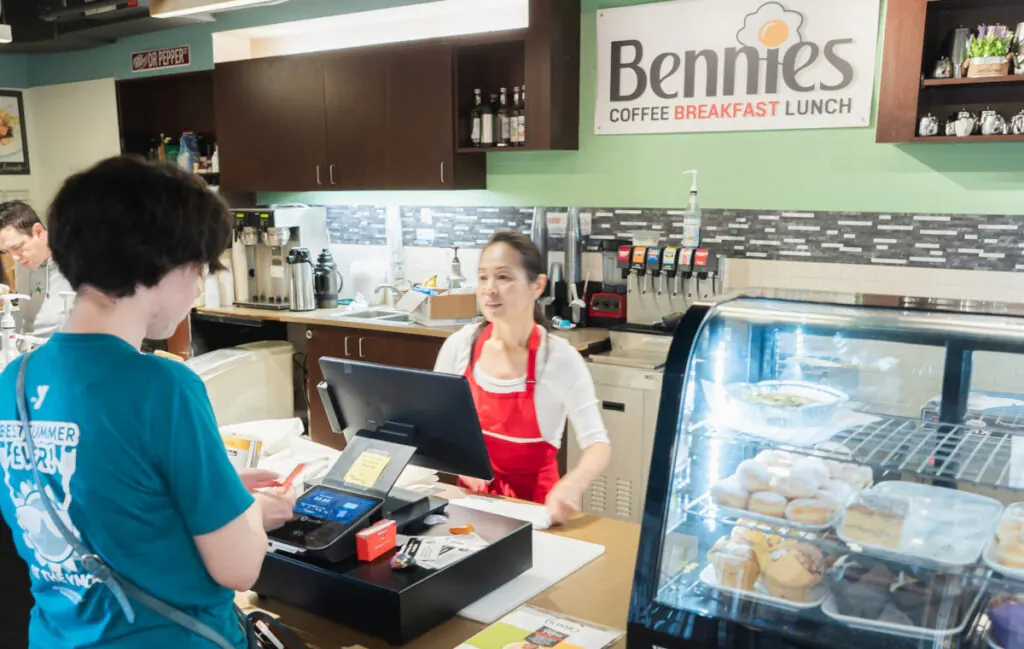

A cafe does not become a favorite study spot by accident. Students, freelancers, exam crammers, and remote workers are usually making a practical choice before they make an emotional one. They want a place that helps them focus, keeps them comfortable for a few hours, and does not make them feel guilty for taking up space. If your cafe can do that consistently, popularity follows.
The owners who Cafe get this right tend to understand something simple but important. People who study outside the house are not only buying coffee. They are buying a working environment. The drink matters. The pastry matters. But the real product is a mix of atmosphere, reliability, and small operational details that either support concentration or quietly ruin it.
That is also where many cafes miss the opportunity. They invest in beautiful cups, expensive lighting, and a carefully curated playlist, then wonder why students stay once and never become regulars. Usually the answer is not dramatic. The Wi-Fi is patchy. The chairs are uncomfortable after forty minutes. The outlets are hidden behind planters. The music gets louder at 2 p.m. When the room is fullest. The staff seem annoyed by laptops. None of these issues alone will sink a cafe, but together they shape reputation very quickly.
If you want your cafe to become known as the place where people can actually get work done, you need to design for real behavior, not an idealized image of it.
Start by deciding what kind of study spot you want to be
Not every cafe should chase the same crowd. A small neighborhood espresso bar with fast turnover and limited seating should not try to compete with a spacious all-day cafe near a university library. You can absolutely welcome students without turning your business into a silent co-working room.
The first decision is strategic. Are you aiming to be a primary study destination, where guests regularly stay two to four hours? Or do you want to be a lighter-use stop, where people read, revise, or take meetings for an hour or so? Both can work, but each requires different choices around seating, menu pricing, noise, and table management.
A lot of frustration in cafes comes from mixed signals. The branding says Cafe "stay awhile," but the furniture says "leave in 25 minutes." The menu says premium and relaxed, but the staff pressure every guest to free up tables. Students pick up on those contradictions immediately. If you want study traffic, your setup has to support dwell time in a way that still protects profitability.
A cafe near a college campus may benefit from making weekdays from late morning to early evening its study-friendly zone. A cafe in a business district might see more value in becoming a quiet work spot between the breakfast rush and afternoon meetings. The right model depends on your rent, table count, local competition, and customer mix.
Comfort beats style after the first ten minutes
Many owners overestimate the value of aesthetics and underestimate physical comfort. Students care about how a place looks, of course. Social media visibility can help, and a thoughtfully designed interior does matter. But once someone sits down with a laptop and three chapters to get through, comfort becomes the deciding factor.
Chairs are the obvious place to start. If every seat is a hard metal stool or a low lounge chair, you are effectively telling people not to stay long. A serious study cafe needs at least some upright, supportive seating with tables at a practical height. The ideal setup usually includes a mix. A few soft seats for casual reading, standard two-top tables for solo laptop work, and larger shared tables for groups or people spreading out papers.
Table size matters more than owners often expect. A tiny round bistro table may suit a cappuccino and croissant, but it becomes frustrating when someone needs space for a laptop, notebook, phone, charger, and drink. Even an extra six inches of width can change the experience. I have seen cafes with excellent coffee lose repeat study customers simply because guests could not work without balancing things on their laps.
Temperature is another silent deal-breaker. Rooms that feel cozy for customers dropping in for twenty minutes can feel stuffy during a three-hour session. If your HVAC is uneven, people will notice. The "good seats" in many cafes are not actually the ones by the window, they are the ones where the guest is not freezing under a vent or sweating under direct sun.
Power and Wi-Fi are not perks, they are infrastructure
If you want study traffic, treat outlets and internet access the way a restaurant treats clean water. They are baseline infrastructure. Customers will forgive a lot if the basics work well, and they will forgive almost nothing if they do not.
A surprisingly common mistake is having enough outlets in theory but not in practice. They are blocked by furniture, located only along one wall, or shared by so many people that extension cords begin snaking across the floor. That creates irritation and, in some cases, safety problems. If you are renovating, build power access into the plan from the start. If you are not, rearrange tables so the seats closest to outlets are genuinely usable.
Wi-Fi has to be stable, easy to join, and fast enough for ordinary student behavior. That does not mean you need enterprise-level bandwidth if your budget does not support it, but it does mean your network should handle dozens of devices without collapsing at peak times. Students often bounce between cloud documents, streaming lecture clips, video calls, and research platforms. When the connection is unreliable, they stop trusting the space.
Be careful with cumbersome access systems. Asking customers to re-enter codes every hour or complete a long sign-in process may reduce freeloading, but it also makes your cafe feel hostile to legitimate paying guests. There is a balance. A simple purchase-linked access code or a well-managed guest network is often enough.
Noise is not the enemy, unpredictability is
Some owners assume a study cafe must be silent. That is usually false. Many people actually prefer a low, steady layer of ambient noise. The real problem is not volume alone, it is inconsistency.
A cafe can be lively and still be good for studying if the sound profile feels stable. Soft conversation, the occasional espresso machine burst, and a controlled playlist are usually fine. What derails focus is abruptness. Chairs scraping on bare floors, shouted greetings from staff across the room, bass-heavy music in the afternoon, or blender noise every three minutes can turn a promising workspace into a place people avoid.
This is one of the areas where simple fixes can pay off quickly. Felt pads under chairs reduce scraping. Soft furnishings absorb echo. Speaker placement matters. So does training staff to manage energy in the room without becoming stiff or unnatural. Nobody wants a cafe that feels like a library monitor is hiding behind the pastry case. They just want a space where concentration is possible.
One local cafe I visited regularly had a strong student crowd during exam season, then lost it almost overnight after changing the playlist strategy. The manager switched from mellow background music to upbeat pop with a stronger beat after lunch, thinking it would lift sales energy. It probably did improve the mood for brief social visits, but the study crowd disappeared because the room no longer held a steady rhythm. They had not stopped liking the cafe. The cafe had stopped fitting the task.
Build a menu that supports long stays without resentment
The financial side matters. It is easy to say "welcome students" and much harder to make that sustainable when a single drip coffee occupies a table for three hours. The answer is not to punish study customers. It is to design menu and pricing choices that work for the reality of longer stays.
One effective approach is to create offerings that naturally suit extended visits. Bottomless filter coffee is not right for every brand, but refills on house coffee during certain hours can increase goodwill and encourage repeat traffic. Tea pots, simple lunch items, yogurt bowls, toast, and baked goods that hold up well during slow eating all perform better in study environments than messy or highly perishable items.
Students also respond well to clear value. If your pricing feels arbitrary, they become cautious. A cafe near a campus does well when the menu offers a few dependable, reasonably priced staples alongside premium items. Not everything has to be cheap. In fact, some students will happily pay for quality. But they want at least one or two choices that make staying for an afternoon feel financially possible.
Here is where judgment matters. If your margins are tight and your space is small, you may need a different model, such as a weekday combo that bundles a drink and snack, or a minimum spend during peak hours at larger tables. The key is to frame policies around fairness and clarity rather than suspicion.
The room should help people choose the right behavior
Good study cafes subtly guide customer behavior without covering the walls in rules. Layout does much of that work for you.
A large communal table often becomes the anchor for solo workers who do not need privacy but do need space. Two-top tables near windows tend to attract pairs and quiet independent workers. Softer seating in a corner can become the decompression zone for casual readers or people taking a break between classes. When the room has no zoning at all, friction increases because every customer type is competing for the same setup.
You do not need a huge footprint to create these distinctions. Even in a compact space, furniture arrangement and sightlines change how the cafe feels. If the only large table is right beside the entrance and the busiest service path, that seat will not function as a productive work area no matter how nice it looks.
Think through your peak flow. Students often arrive with bags, laptops, and chargers. They need a little settling-in space. Tables jammed too tightly together may increase seat count on paper while reducing real usability. That trade-off becomes expensive if customers stop choosing your cafe for study sessions altogether.
A quick practical audit usually reveals where the friction is:
- Sit at three different tables for twenty minutes each and work as a customer would.
- Check where outlets are actually reachable without moving furniture.
- Listen for the loudest recurring sounds during a busy hour.
- Watch whether guests have enough table space for a laptop, drink, and notebook.
- Notice where staff traffic interrupts concentration most often.
Owners often discover their own cafe for the first time when they do this honestly.
Staff attitude shapes reputation faster than decor
A cafe can have perfect lighting and excellent coffee, but if the staff radiate irritation toward laptop users, word gets around. Students are extremely efficient at sharing information. They tell each other where they felt welcome, where they were rushed, and where they were made to feel like a problem.
This does not mean your team has to indulge every customer request. It means they need a consistent, sensible approach. If someone buys one espresso and occupies a six-seat table during the lunch rush, staff should know how to handle that tactfully. If a guest asks about outlets or Wi-Fi, the answer should be clear and friendly. If your policy is no large study groups during peak brunch hours, that can be communicated without sarcasm or passive aggression.
Train your team on the role you want the cafe to play. If the goal is to be study-friendly, staff need to understand that slower-turn tables are part of the model, not a nuisance to endure. They also need tools. A well-placed sign about peak-hour seating, a script for managing shared tables, or a gentle reminder about keeping aisles clear can prevent avoidable tension.
Customers forgive rules much more readily than they forgive attitude.
Small operational choices make a big difference
The cafes that become local favorites for studying are rarely the ones doing one dramatic thing. They are the ones doing many ordinary things well, every day.
Bathroom cleanliness is one of those details. Students staying for hours notice it more than quick grab-and-go customers do. So do remote workers. A bathroom that is stocked, clean, and easy to access signals competence across the whole business.
Lighting matters in the same way. Natural light is attractive, but glare on laptop screens is frustrating. Overhead lighting that flatters pastry displays may not be bright enough for reading later in the day. If people strain to see their notes after 4 p.m., they will shorten their visits.
Even cup and plate noise matters. Thick ceramic mugs sound different from thin cups dropped onto hard surfaces. Staff habits at the dish station can either preserve the room’s calm or repeatedly break it. None of this is glamorous, but all of it is felt.
If you want easy wins, start here:
- Add a few bag hooks under tables or along walls.
- Put water within easy reach, either self-serve or quickly available.
- Offer at least one clearly marked quiet corner or lower-noise area.
- Keep the Wi-Fi instructions visible and simple.
- Review the music volume twice a day, not just at opening.
These are modest improvements. Together, they change how long people stay and whether they return.
Policies should protect the business without punishing good customers
There is a real tension between hospitality and table economics, especially in smaller cafes. A popular study spot can become a victim of its own success if every table fills with long-stay customers and your higher-margin meal traffic walks away. The solution is not to abandon the idea. The solution is to manage demand intelligently.
Time limits can work, but only in the right context. A blunt 90-minute limit on all customers often feels clumsy and alienates the very people you want to attract. A more nuanced policy tends to work better, such as reserving larger tables for groups during lunch hours, restricting laptop use in a small number of prime seats, or encouraging solo workers toward communal seating.
Some cafes use differential timing throughout the day. Mornings might prioritize breakfast turnover, while mid-afternoon becomes the study-friendly window. Others design the menu so long-stay guests naturally continue purchasing, with refill options, afternoon snack bundles, or loyalty rewards that make repeat use more profitable.
What matters most is consistency. If policies are enforced sporadically based on who happens to be on shift, customers experience the place as unfair. Fairness is a big part of why study communities stick to certain cafes. They want to know the rules, trust them, and work within them.
Community matters more than marketing copy
You can advertise yourself as a study cafe, but the label only sticks if customers repeat it for you. That happens when your cafe becomes useful enough to enter people’s routines.
There are practical ways to encourage that identity. During exam periods, some cafes quietly extend evening hours by an hour or two on selected days. Others offer a seasonal "study fuel" menu with simple, high-demand items that serve fast and hold well. A board near the register with local university deadlines, neighborhood events, or book club notices can make the room feel embedded in real life rather than staged for Instagram.
Partnerships can help too, if they are sensible. A discount tied to a student ID, a collaboration with a nearby tutoring center, or occasional low-key workshops can create visibility. But do not force community-building in a way that disrupts the core promise of focus. A weekly open mic at 3 p.m. May be great for evening culture, but it is not likely to help if your goal is to be the trusted afternoon study spot.
The strongest marketing signal is still observation. When passersby see a room with people quietly working, drinks on tables, chargers plugged in, and a calm but occupied atmosphere, they understand the offer immediately. A full room of the right kind of customer is better advertising than a clever sign.
Pay attention to who is not staying
One useful discipline is to notice not only your regulars, but the people who leave quickly. If someone walks in, glances around, and turns back out, that is information. If customers buy takeaway instead of sitting despite plenty of open seats, there is usually a reason.
Sometimes the cause is visible, like noise or lack of space. Sometimes it is subtler. The room feels exposed. The seating mix is wrong. The queue system blocks the entrance. The best tables are permanently occupied by people on video calls. If you only measure sales and not behavior, you can miss these signals for months.
Ask occasionally, but ask well. Not a vague "how was everything?" Tossed out at the till. Something more specific and low-pressure works better, especially with regulars. Was the music level okay for work today? Are there enough outlets where you usually sit? Do you tend to stay longer on weekdays or weekends? Small questions produce practical answers.
A popular study cafe feels dependable
That is the real standard. Not trendy, not merely photogenic, not endlessly permissive. Dependable.
People return to a cafe for study sessions because it gives them a reliable result. They know they can find a seat that works, buy something they enjoy, connect to Wi-Fi without drama, and settle into a few productive hours. They trust the atmosphere. They trust the staff. They trust that the environment tomorrow will be close enough to today that they can plan around it.
If your cafe can offer that level of consistency, you do not need gimmicks. You need thoughtful seating, solid infrastructure, sensible policies, and a room that respects concentration without losing warmth. Get those fundamentals right, and your cafe stops being just another place that serves coffee. It becomes the place people recommend when someone asks, "Where can I actually get work done?"
Bennies Cafe
17230 Jackson Creek Pkwy Ste 100, Monument, CO 80132
+1 719-445-0660
FAQ About Cafe
What is considered a café?
A café is generally an informal place to enjoy refreshments and a meal. Bennies Cafe in Monument serves breakfast and lunch in a counter-service setting, with options including eggs Benedict, sandwiches and crepes. Guests can eat in or arrange pickup.
What is the difference between a coffee shop and a café?
The terms often overlap. A coffee shop usually emphasizes coffee and other drinks, while a café may offer a broader food menu. Check the individual establishment's menu rather than relying on its name. Bennies Cafe offers coffee drinks alongside breakfast and lunch dishes.
What is the difference between café and coffee?
In everyday English, a café is a place where people buy food and drinks, while coffee is the beverage. The word café comes from the French word for coffee. Bennies Cafe serves options such as brewed coffee, espresso and lattes as part of its drinks menu.
Ends · TRAVISCILC271