Cafe Trends Shaping the Future of Coffee Culture
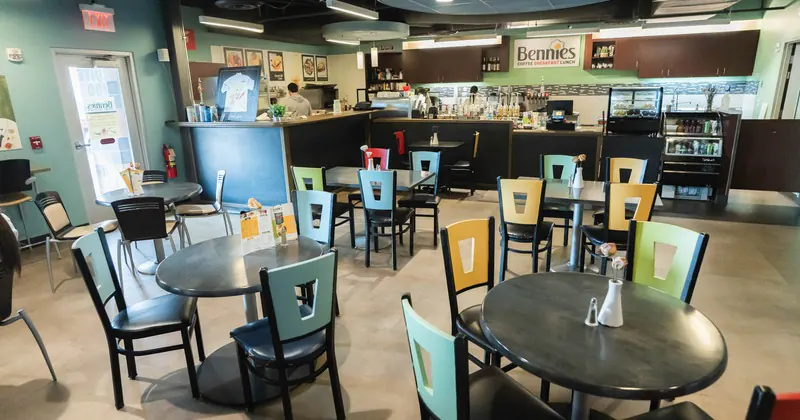
Coffee culture has always evolved in cycles, but the current moment feels different. Not because people suddenly discovered better espresso, and not because latte art became more intricate. The deeper shift is structural. The modern Cafe is no longer just a place to buy caffeine. It is becoming a neighborhood anchor, a flexible workspace, a retail concept, a values statement, and in many cases a small media brand with tables.
That sounds dramatic until you spend time inside well-run shops and watch what has changed over the last several years. Guests now notice sourcing, acoustics, seating design, payment flow, cup quality, milk alternatives, playlist volume, and whether staff seem rushed or grounded. Operators are managing inflation, labor pressure, delivery apps, social media expectations, and a customer base that wants both speed and craft. Roasters are being asked to educate without sounding preachy. Even the menu board has become a signal of identity.
The future of coffee culture is being shaped by a handful of powerful Cafe trends, and they are less about novelty than about maturity. The strongest cafes are moving away from generic third-wave cues and toward clearer decisions about hospitality, business resilience, and community relevance.
The Cafe is becoming a multi-purpose social space
A decade ago, many cafes could succeed with a straightforward formula: good espresso, reclaimed wood, exposed brick, and enough outlets to attract laptop users. That model still exists, but it no longer guarantees loyalty. Customers now choose spaces based on how those spaces fit into the rhythm of their lives.
The morning guest may want a fast, frictionless handoff in under three minutes. The mid-morning guest may stay for two hours of laptop work and two drinks. The afternoon guest may be meeting a client. The evening guest may come for a coffee mocktail, a natural wine pour, or a small community event. One room now has to support several use cases without feeling confused.
The smartest operators design for this reality from the start. They think in zones. A front area may accommodate short stays and quick turnover, while deeper seating supports longer visits. Lighting often shifts by daypart. Music volume changes. Some shops quietly remove power outlets from certain tables, not to be hostile, but to avoid having every seat occupied by one person nursing a single drip coffee for half a day.
There is a delicate balance here. A Cafe that tries to be everything can become incoherent. Guests feel that quickly. The operators doing this well know who they are. They may welcome remote workers, for instance, but set a firm policy on peak-hour laptop use. Or they may emphasize conversation and neighborhood life, which means fewer screens and more communal seating. The trend is not toward sameness. It is toward intentionality.
Hospitality is overtaking performance
For years, coffee culture rewarded expertise that was visible. Baristas with deep brewing knowledge, rare beans, refractometers, and technical language became symbols of seriousness. That technical progress improved quality across the board, and the industry is better for it. But many cafes learned a hard lesson: expertise alone does not create warmth.
Customers remember how a place made them feel almost as much as they remember the drink. If the espresso is excellent but ordering feels tense, the relationship rarely lasts. A guest who feels welcomed will forgive a minor delay. A guest who feels judged will not come back, even if the flat white is perfect.
This shift shows up in subtle ways. Menus are getting clearer. Staff are being trained to ask better questions rather than recite coffee notes like a script. Instead of saying, “This washed Ethiopian has bergamot, white peach, and jasmine,” a skilled barista might ask, “Do you like brighter coffees, or something with more chocolate and body?” That is still education, but it is education in service of the person rather than the product.
I have seen this change most clearly in cafes that once leaned heavily on insider culture. Shops that used to feel intimidating have become more generous in tone. The language is simpler, but not dumbed down. The result is broader appeal without sacrificing standards. That matters because coffee culture grows when more people feel invited into it.
Menu design is moving beyond espresso orthodoxy
There was a period when many cafes seemed to compete over who could strip the menu down the furthest. Espresso, cappuccino, filter coffee, perhaps a single-origin option, and little else. Minimalism signaled confidence. It also alienated some customers and left money on the table.
Today’s strongest menus tend to be more expansive, but not bloated. They preserve a core of high-quality coffee while making room for what people actually want to drink. That includes seasonal specials, tea programs with real intention, premium hot chocolate, matcha, chai, sparkling coffee drinks, and non-alcoholic options that feel crafted rather than obligatory.
Milk alternatives have also matured. Oat milk is now a baseline expectation in many urban markets, while almond, soy, and newer plant-based blends remain important for guests with specific preferences or dietary needs. The trend is not just about carrying alternatives. It is about understanding how each performs in the cup, how it steams, how it affects sweetness, and how the added cost is communicated. Customers notice when an oat cappuccino tastes integrated rather than compromised.
Cold coffee continues to reshape menus as well. In warmer climates and younger demographics, iced drinks can account for a large share of sales year-round. That matters operationally. A Cafe built around a traditional hot bar may struggle during afternoon rushes if half the queue wants shaken espresso, cold brew with custom modifiers, or a house-made tonic drink. Equipment, workflow, ice production, and prep systems all need to catch up.
A useful way to read the new menu landscape is this: cafes are becoming less doctrinaire and more pragmatic. Purity no longer impresses on its own. Relevance does.
Design now carries operational meaning
Cafe design used to be discussed mostly in aesthetic terms. Is it beautiful? Is it Instagrammable? Does it feel modern, cozy, industrial, or minimal? Those questions still matter, but design decisions are increasingly tied to labor efficiency, noise control, and guest behavior.
Acoustics are a good example. Plenty of attractive cafes are miserable to sit in because every grinder pulse, milk pitcher knock, and nearby conversation bounces off hard surfaces. When a room is too loud, guests leave sooner, staff tire faster, and hospitality suffers. More operators are investing in sound-absorbing materials, upholstered seating, curtains, wood treatments, and layout changes that soften the room without dulling its character.
Then there is queue management. In a busy Cafe, confusion around where to order, where to wait, and where to collect drinks creates friction that affects the whole experience. The best spaces make movement feel obvious. Guests should not need instructions shouted across the bar. Clear sightlines, thoughtful counter height, visible pastry placement, and sensible pickup zones matter more than people think.
Seating strategy has grown more sophisticated too. Tiny café tables may look charming but can become impractical when guests carry laptops, shopping bags, or strollers. Deep lounge seating can encourage longer stays but reduce turnover. High-top communal tables may support solo visitors without making them feel exposed. There is no universal answer. The trend is toward designing around the business model rather than around a mood board.
Sustainability is getting more practical
For years, sustainability in coffee was often communicated through broad claims and surface-level gestures. Reusable straws, compostable cups, vague sourcing language, and a few potted plants stood in for deeper operational change. Customers have become harder to impress, and that is healthy.
What matters now is credibility. A Cafe does not need to solve every environmental problem, but it does need to make choices that hold up under scrutiny. If a shop promotes reusable cup incentives, the discount should be meaningful enough to change behavior. If it talks about ethical sourcing, staff should understand at least the basics of where the coffee comes from and why those relationships matter. If it uses compostable packaging, there should be a realistic path for that packaging to be composted in the local waste system. Otherwise it is branding, not impact.
The same practical lens applies to waste reduction behind the bar. Dialing in espresso with less waste, rethinking batch sizes for drip coffee, managing milk steaming more accurately, and improving inventory forecasting can all lower costs while reducing environmental impact. These are not glamorous changes, but they are the ones that persist.
There is also a more mature conversation happening around price. Truly responsible sourcing costs money. Better labor practices cost money. Durable fixtures and higher-quality ingredients cost money. A Cafe that pursues sustainability seriously may need to charge more, and the challenge is explaining that without self-righteousness. Customers are often willing to pay when the value is clear and the experience supports it.
Technology is fading into the background, which is a sign of progress
Technology has become essential in coffee service, but the most effective uses are often the least conspicuous. Customers do not visit a Cafe because they are excited about point-of-sale integrations. They care that ordering is smooth, receipts are simple, loyalty works, and pre-orders are ready when promised.
The industry has learned that more tech does not automatically mean better service. QR code-only menus can feel sterile in the wrong setting. Overbuilt ordering apps can frustrate regulars who just want a cappuccino and a pastry. Tablet swivels at the register can break conversational flow if they turn every interaction into a prompt sequence.
Where technology truly helps is in reducing operational drag. Better scheduling software can lower burnout. Inventory systems can prevent mid-shift product outages. Kitchen display screens can improve communication between bar and food prep. Digital ordering can be a lifeline during the morning rush, especially for commuter-heavy locations.
The common thread is that technology works best when it supports hospitality rather than replacing it. The future Cafe will likely be more digitized behind the scenes and more human at the point of contact. That is the sweet spot.
Coffee quality is broadening, not narrowing
One of the most encouraging shifts in coffee culture is the widening definition of quality. Not long ago, quality was often framed through a narrow specialty lens: light roasts, single-origin coffees, and flavor complexity that appealed most to experienced drinkers. Those coffees still matter, and they continue to push the industry forward. But many cafes are now recognizing that quality also includes consistency, accessibility, and suitability to the drink.
A chocolate-forward espresso blend that tastes balanced in milk can be a high-quality choice. A darker roast, handled with care, can serve a loyal local audience exceptionally well. A batch brew that remains sweet and stable during a busy service can deliver more daily value than a dazzling but finicky single-origin filter.
This broader understanding has practical benefits. It reduces the false divide between “specialty” and “mainstream” customers. It lets cafes meet people where they are. It also opens the door to more thoughtful pricing architecture. A shop might offer a dependable house coffee at one price point and a rotating premium brew at another, giving guests options without signaling that one kind of drinker matters more.
Some of the strongest cafes right now are not the most obsessive in public. They are simply very good, every day. Their milk texture is consistent. Their drip coffee tastes fresh. Their pastries fit the brand and hold up until the afternoon. That level of repeatable excellence is harder to achieve than a flashy limited release.
Food is no longer an afterthought
For a long time, food in many cafes hovered between minimal and mediocre. A wrapped muffin, a dry croissant, maybe a pre-made sandwich if the shop had enough refrigeration. That standard is slipping fast. Customers now expect food that matches the quality signals of the coffee program.
This does not mean every Cafe needs a full kitchen. In fact, many should avoid one. Kitchens are expensive, labor-intensive, and operationally demanding. But curated food programs are becoming a significant advantage. That can mean a strong local bakery partnership, a small menu of well-executed toasts, savory pastries made for grab-and-go flow, or a few breakfast items designed specifically around service speed.
The key is coherence. If a Cafe invests in meticulous sourcing and beautiful ceramics but serves forgettable food, the gap is obvious. On the other hand, even a simple pastry case can feel compelling if the products are fresh, the labels are clear, and the selection reflects the neighborhood. A commuter-heavy location might win with portable breakfast items. A destination Cafe may justify plated brunch service. Again, the trend is not maximalism. It is alignment.
Local identity is becoming a competitive edge
Global coffee culture is more connected than ever, and that has benefits. Techniques travel faster. Equipment standards rise. Roasters and cafe owners can learn from peers across continents. But that same connectedness creates a sameness problem. Too many spaces now look and sound alike.
The cafes shaping the future tend to have a stronger local fingerprint. They reflect the pace, tastes, and social patterns of the area around them. In one neighborhood, that may mean early opening hours, family-friendly seating, and familiar pastries with a high-quality coffee program. In another, it may mean experimental drinks, late hours, and an event calendar that blends art, music, and coffee.
Local identity also shows up in staffing and storytelling. Guests respond when staff know the regulars, when collaborations involve nearby makers, and when the space hosts events that matter to actual residents rather than just producing social content. The best community-oriented cafes are not performing authenticity. They are embedded in their surroundings.
A few practical signals tend to distinguish locally rooted cafes from generic ones:
- partnerships with neighborhood bakers, florists, or artists
- programming that serves regular residents, not only tourists or social media visitors
- menu items that reflect regional tastes or seasonal habits
- staff retention strong enough that familiar faces become part of the brand
- design choices that suit the space and street, rather than copying an online template
None of these guarantees success, but together they create texture. Coffee culture becomes more meaningful when a Cafe feels irreplaceable.
Staff experience is moving closer to the center of the business
It is impossible to talk honestly about the future of coffee culture without talking about labor. Many cafes depend on emotionally demanding, physically repetitive work performed at high speed and often for modest pay. Customers see the finished drink. They do not always see the early deliveries, the prep work, the rush-hour stress, the closing duties, or the challenge of maintaining warmth through all of it.
The better operators are treating staff experience as a business priority rather than a moral extra. That includes wages, of course, but it also includes workflow, break structure, training, communication, and realistic performance expectations. A beautiful Cafe with poor back-bar ergonomics will burn people out. An ambitious menu without adequate prep hours will create resentment. Constant understaffing may protect payroll for a few weeks, but the long-term cost is turnover, inconsistency, and drained hospitality.
There is also a growing recognition that baristas are not interchangeable. Staff who can move smoothly between espresso service, guest interaction, problem-solving, and product knowledge are valuable. Cafes that invest in retaining those people gain a competitive advantage that customers can feel immediately.
From experience, a few staff-focused decisions have outsized impact:
- build menus and service models that the team can execute calmly at peak volume
- train for guest communication, not only technical drink preparation
- create clear paths for growth, whether in leadership, education, or roasting
- protect prep time and maintenance time so service quality does not depend on heroics
- ask for feedback from the bar, then actually adjust systems when patterns emerge
When staff feel respected, the room changes. Service becomes more relaxed, regulars notice, and quality gets steadier. Coffee culture often talks about craft, but craft depends on sustainable human conditions.
The premium experience is becoming more nuanced
Prices in cafes have risen, and in many cities they have had to. Rent, labor, dairy, packaging, and green coffee costs have all moved in ways that leave little room for nostalgia. Yet higher prices force a sharper question: what exactly makes a Cafe feel worth it?
The answer is not luxury in the obvious sense. Most guests are not looking for silver trays and hushed service. They are looking for confidence. They want drinks that taste right, rooms that feel cared for, staff who can guide without upselling pressure, and details that suggest the operator respects their time and money.
Premium, in this sense, can come from many directions. It may be a six-ounce cappuccino with flawless texture in a cup that feels good in the hand. It may be a simple ham and cheese croissant that arrives warm and crisp. It may be the fact that the bathroom is clean at 2 p.m., when lesser places have given up. Small acts of discipline create the feeling of value.
This also means that some expensive trends will not last. Not every customer wants a coffee tasting flight. Not every neighborhood supports rare processing methods at top-tier prices. Some concepts mistake novelty for depth. The cafes that endure usually know where to be ambitious and where to be stable.
What this means for the next decade of coffee culture
The future of the Cafe will not be defined by one drink style, one design language, or one business model. It will be defined by sharper Cafe choices. The era of the vague all-purpose coffee shop is fading. In its place, successful cafes are becoming more self-aware about who they serve, what they do exceptionally well, and which trade-offs they are willing to make.
That is healthy for coffee culture. It creates room for more than one kind of excellence. A tiny standing-room espresso bar can thrive beside a spacious neighborhood Cafe. A roastery café with educational cuppings can coexist with a high-volume commuter shop that prizes speed and consistency. The strongest common denominator is not trendiness. It is clarity.
Coffee has always been social, but the shape of that social life is changing. People still want ritual. They still want places where they can gather, pause, work, flirt, think, and watch a city move. What they are less willing to tolerate is friction without purpose, branding without substance, or expertise without generosity.
The cafes shaping the future understand that coffee is both product and setting. The drink matters, deeply. So does the room, the team, the pace, the food, the sourcing, the design, and the sense of being known. When those elements come together, a Cafe becomes more than a stop on an errand route. It becomes part of how a neighborhood understands itself.
That, more than any seasonal gimmick or viral menu item, is what will carry coffee culture forward.
Bennies Cafe
17230 Jackson Creek Pkwy Ste 100, Monument, CO 80132
+1 719-445-0660
FAQ About Cafe
What is considered a café?
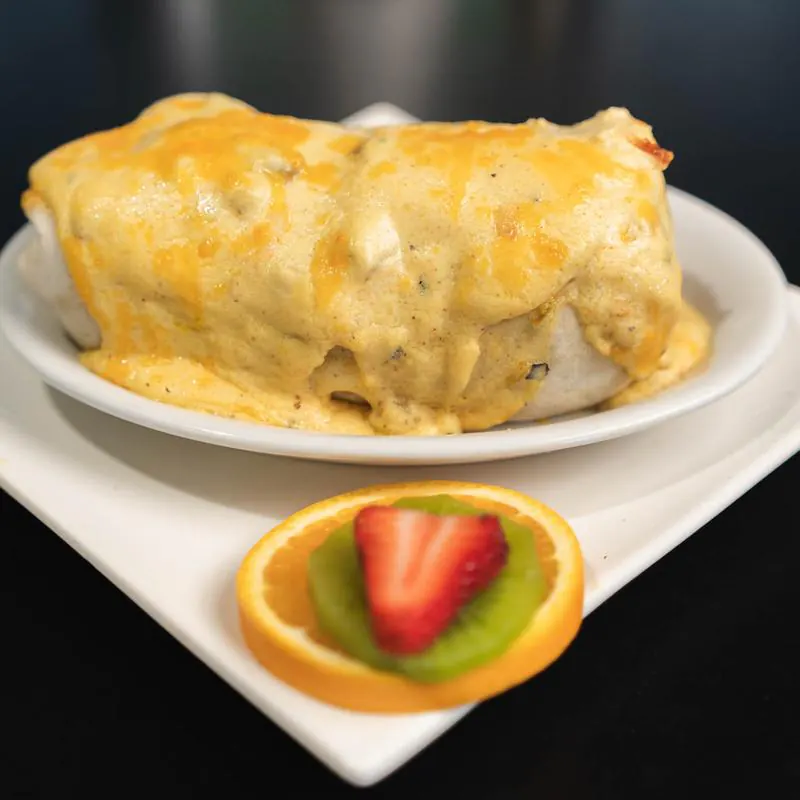
A café is generally an informal place to enjoy refreshments and a meal. Bennies Cafe in Monument serves breakfast and lunch in a counter-service setting, with options including eggs Benedict, sandwiches and crepes. Guests can eat in or arrange pickup.
What is the difference between a coffee shop and a café?
The terms often overlap. A coffee shop usually emphasizes coffee and other drinks, while a café may offer a broader food menu. Check the individual establishment's menu rather than relying on its name. Bennies Cafe offers coffee drinks alongside breakfast and lunch dishes.
What is the difference between café and coffee?
In everyday English, a café is a place where people buy food and drinks, while coffee is the beverage. The word café comes from the French word for coffee. Bennies Cafe serves options such as brewed coffee, espresso and lattes as part of its drinks menu.
Ends · TRAVISCILC271